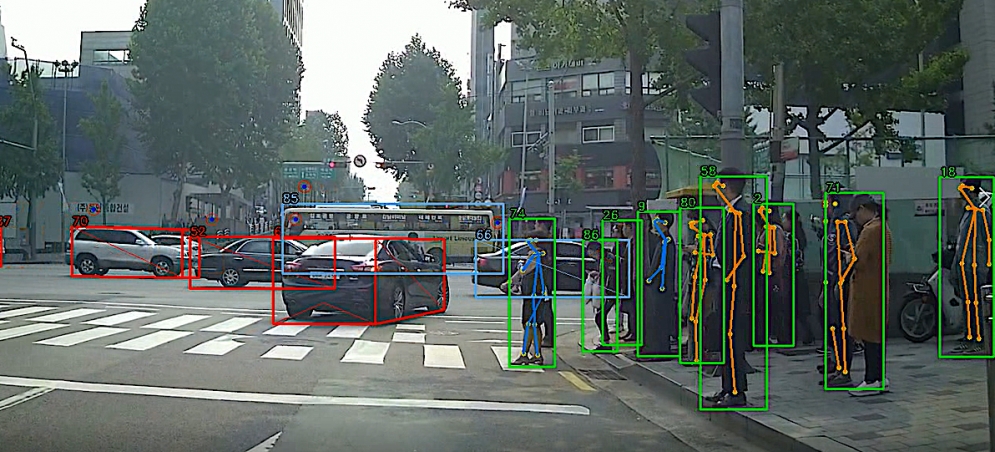
When CES 2020 opens on Jan. 7 in Las Vegas for its four-day run, one major theme will be the visions of the technological future being presented by its many participants. StradVision, an industry leader in vision processing and perception technology for Autonomous Vehicles, will be on site at CES showcasing their vision literally — demonstrating up-close how their SVNet softwarewill provide the eyes that guide the Autonomous Vehicles (AVs) and ADAS systems of the future, including vehicles headed to roadways in 2020.
StradVision CEO Junhwan Kim said the company’s vision processing software will be a central component of AVs becoming a reality for the masses.
“The deep-learning based vision processing technology we are developing at StradVision will be a cornerstone of AV success,” Kim said. “We are excited to have an opportunity at CES 2020, one of the biggest events in the world, to show both the world and other technological pioneers the critical components that StradVision will be contributing as Autonomous Vehicles become the norm in years to come.”
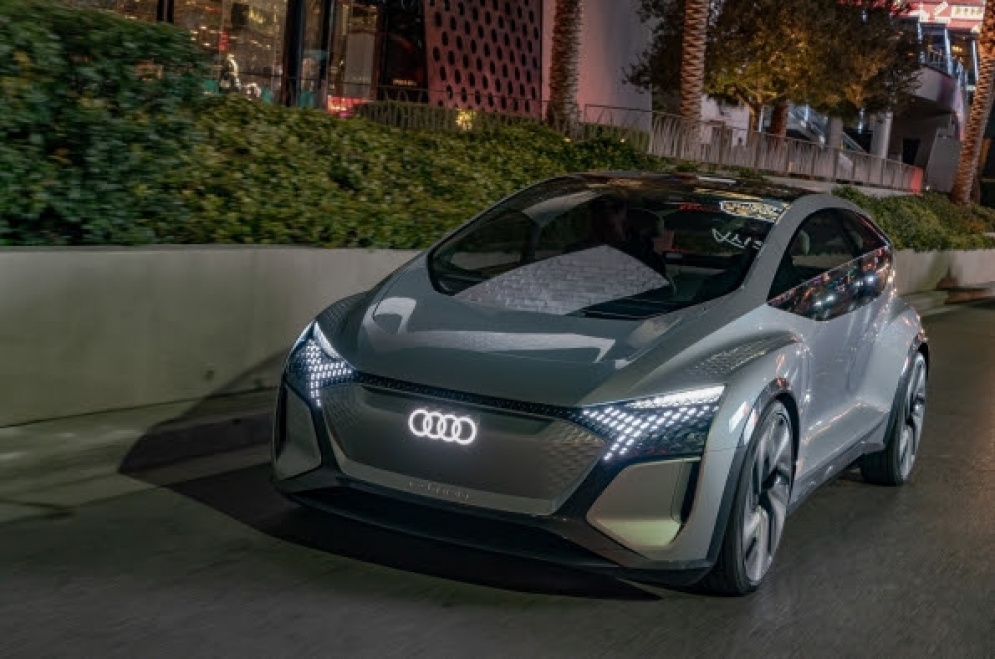
At the 2020 Consumer Electronics Show (CES) from January 7-10, 2020, in Las Vegas, Audi will once again display exciting exhibits – from futuristic vision vehicles to technologies ready for series production. In doing so, the premium brand is defining the digital experience of the future. CES is one of the world’s biggest specialized fairs for consumer electronics and is considered to be an indicator of future topics.
Open the door, take a seat and get away from the urban stress. The fully automated Audi AI:ME represents a personal “third living space,” alongside our homes and workplaces, that is familiar with the desires and needs of its users. Passengers can use eye tracking to communicate with the show car intuitively and have it order their favorite food, for example. They can also enjoy a wellness experience in the AI:ME. A pair of VR goggles in the car allows the occupants to enjoy a virtual flight across a spectacular mountain landscape.
The technology adapts virtual content to the movements of the vehicle in real time. The result – passengers can fully relax and get away from their hectic day-to-day lives. They return to reality when they have arrived at their destination. The ordered food was delivered on time, coordinated by the AI:ME on the basis of the users’ personal preferences and the car’s navigation data. Journalists can test this concept of a mobility partner that anticipates your needs as part of an automated drive at CES 2020.
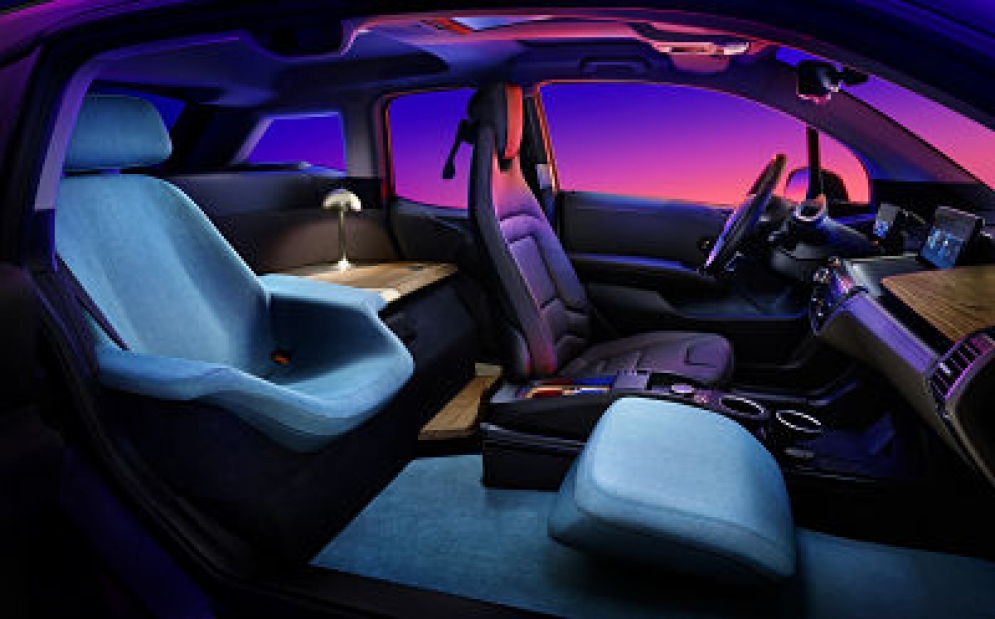
At the Consumer Electronics Show 2020 — taking place in Las Vegas January 7-10, 2020 — the BMW Group will be presenting its approach to creating the mobility experience of the future.
For seven years, the BMW i3 has played the role of ambassador for electric driving, sustainability and intelligent connectivity in urban areas. These qualities have helped to make it the world’s best-selling electric car in the premium compact segment.
And now the BMW Group has brought the BMW i3 Urban Suite to this year’s CES in Las Vegas to reveal a mobility experience tailored entirely to the passenger’s individual needs.

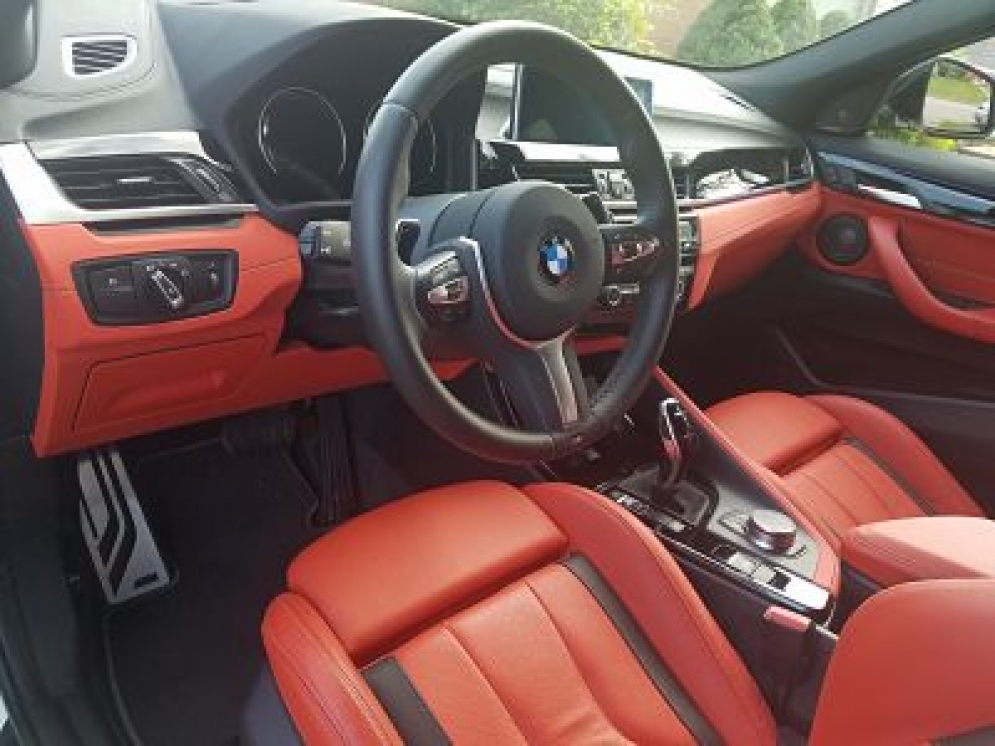
Android phone users will be able to increase their connectivity starting in 2020, when the BMW lineup will start to feature Android Auto integration in mid-2020. The addition will allow customers to connect their Android smartphones wirelessly with their vehicle and enjoy access to useful information like suggested destinations and upcoming appointments when it is needed.
Android Auto in a BMW will be demonstrated live for the first time at the Consumer Electronics Show (CES) 2020 and will be will be available for customers in 20 countries from July 2020 for all vehicles with BMW Operating System 7.0.
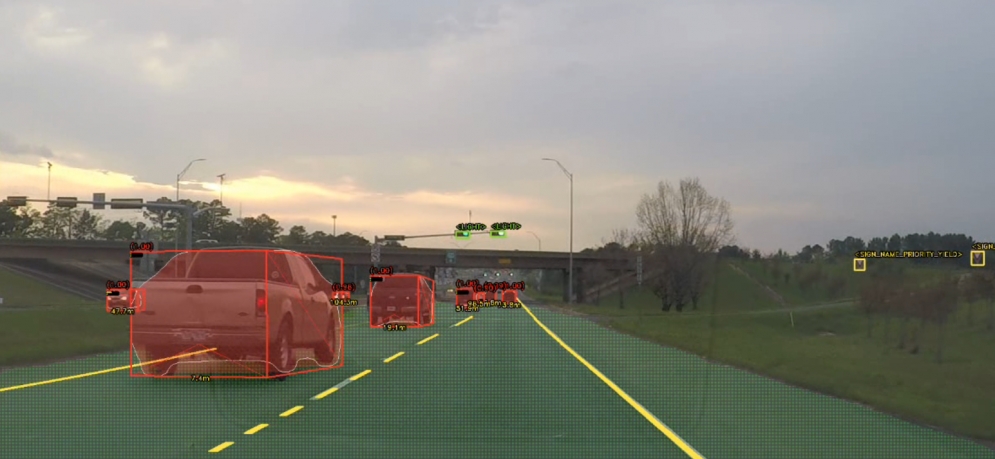
Renesas Electronics Corporation, a supplier of advanced semiconductor solutions, and StradVision, Inc., a vision processing technology solutions provider for autonomous vehicles with expertise in deep learning, have announced the joint development of a deep learning-based object recognition solution for smart cameras used in next-generation advanced driver assistance system (ADAS) applications and cameras for ADAS Level 2 and above.
To avoid hazards in urban areas, next-generation ADAS implementations require high-precision object recognition capable of detecting so-called vulnerable road users (VRUs) such as pedestrians and cyclists. At the same time, for mass-market mid-tier to entry-level vehicles, these systems must consume very low power. The new solution from Renesas and StradVision achieves both and is designed to accelerate the widespread adoption of ADAS.
“A leader in vision processing technology, StradVision has abundant experience developing ADAS implementations using Renesas’ R-Car SoCs, and with this collaboration, we are enabling production-ready solutions that enable safe and accurate mobility in the future,” said Naoki Yoshida, Vice President of Renesas’ Automotive Technical Customer Engagement Business Division. “This new joint deep learning-based solution optimized for R-Car SoCs will contribute to the widespread adoption of next-generation ADAS implementations and support the escalating vision sensor requirements expected to arrive in the next few years.”

News Categories

Popular Tags
Search Reviews by Make

AutoTechReviews is your home for In-depth reviews of the latest cars, trucks, and SUVs; information on all the emerging vehicle technology; and breaking news from the world of NASCAR and other motorsports.